 5.0 Out Of 250+ Reviews


 Financing Available


 (214) 227-2763

Last Updated: October 28, 2026
Quick Summary
To support a supplemental insurance claim, include your policy number and original claim number, claimant contact details, coverage effective date and limit, the original and updated damage estimates, photos, receipts, supporting documentation, and a written description of what happened and the condition impact. A supplemental claim is a continuation of your original claim, not a second claim, so the claim number stays the same.
- A supplemental claim presents new damage or new evidence on an existing claim, and the claim number stays the same.
- An appeal disputes the insurer’s decision on something they already reviewed rather than adding new evidence.
- Photograph each issue up close and from a distance, and date every photo with its location.
- Deadlines vary by policy and state, so search the policy for time-limit language and check your state insurance department.
- Keep a submission log with date sent, method used, confirmation number, and the name of the person you spoke with.
Table of Contents
- What a Supplemental Insurance Claim Is and When You Need One
- The Core Documents Every Supplemental Insurance Claim Requires
- How to Document Storm Damage for Insurance After Hidden Issues Appear
- Deadlines for Supplemental Insurance Claims: Policy Limits and State Rules
- Using a Supplemental Claim Letter Template to Present New Evidence
- Common Omissions and Errors That Delay or Deny a Claim
- Get a Professional Damage Assessment Before You File
- Frequently Asked Questions
What a Supplemental Insurance Claim Is and When You Need One
A supplemental insurance claim is a request for more money after your insurer has already paid part of a loss. It asks the carrier to reopen the file and cover damage the first payment missed.
Here is the key point most guides bury: a supplemental claim is not a second claim. It is a continuation of your original insurance claim. You are not starting over. You are submitting new evidence on the same loss.
When does it make sense? Usually when one of these is true:
- A contractor found damage the adjuster did not record
- Your updated estimate is higher than the first payout
- Repairs revealed rot, water damage, or other hidden issues
- Your policy’s coverage limit allows more than you were paid
If you have already received a partial benefit payment and you have new evidence of additional damages, you likely have grounds to file. Learn the 5 steps to file a supplemental insurance claim so you know what the process looks like before you start.
Supplemental Claim vs. Appeal vs. New Claim
These three get mixed up constantly, and the mix-up costs people money.
A supplemental claim presents new damage or new evidence on an existing claim. The claim number stays the same.
An appeal disputes the insurer’s decision on something they already reviewed. You are not adding evidence so much as arguing the decision was wrong.
A new claim covers a separate event, like a second storm. It gets a new claim number and often a new deductible.
Pick the wrong one and your paperwork lands in the wrong queue.
The Core Documents Every Supplemental Insurance Claim Requires
Gather these first:
- Your policy number and the original claim number
- The policyholder and claimant information, including full name and contact details
- Your coverage effective date and coverage limit
- The original damage estimate and the updated estimate
- Photos, receipts, and any supporting documentation
- A written description of what happened and the condition impact
Before you file, make sure you have each of these items on hand.
| Document | Detail to include |
|---|---|
| Policy and claim numbers | Policy number and original claim number |
| Claimant information | Policyholder and claimant full name and contact details |
| Coverage details | Coverage effective date and coverage limit |
| Estimates | Original damage estimate and updated estimate |
| Supporting evidence | Photos, receipts, and supporting documentation |
| Written description | What happened and the condition impact |
How to Document Storm Damage for Insurance After Hidden Issues Appear
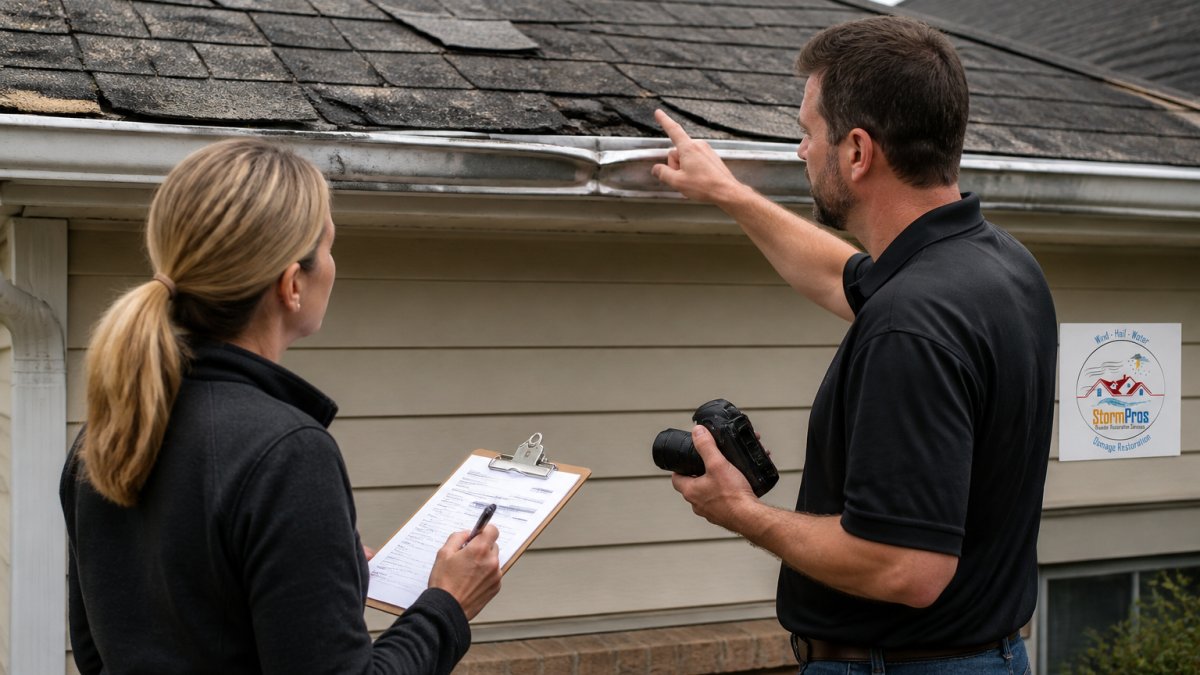
- Photograph each issue up close and from a distance for context
- Date every photo and note the location on the property
- Keep the damaged material until the claim closes when possible
- Get a written statement from the contractor who found the issue
- Save all receipts for temporary repairs and hotel stays
For a fuller walkthrough, see these 7 ways to document storm damage for insurance. Good claim documentation is not about volume. It is about clarity.
Deadlines for Supplemental Insurance Claims: Policy Limits and State Rules
Deadlines for supplemental insurance claims vary by policy and by state. There is no single national rule. Most policies set a time limit for submitting new evidence, and many states set their own rules for how long a claim stays open. Understanding homeowners insurance depreciation helps you grasp why policy limits and payout calculations affect your supplemental claim.
Step 1: Find the policy’s time-limit language. Open the policy jacket and search for these terms: “suit against us,” “proof of loss,” “duties after loss,” and “time limit.”
Step 2: Check the state insurance department’s consumer page. The National Association of Insurance Commissioners maintains a state-by-state map that links to each department’s consumer resources.
Step 3: Put the deadline in writing.
Using a Supplemental Claim Letter Template to Present New Evidence
A supplemental claim letter does one job: it tells the adjuster exactly what is new and why it changes the payout. Keep it short and specific.
Here is a template you can adapt:
Re: Supplemental Claim for [Claim Number]
Policy Number: [Number] | Date of Loss: [Date]To the claims department:
I am submitting a supplemental claim on the above claim number. Since the original payment, new evidence of additional damages has been found.
New evidence enclosed:
- [Updated estimate from contractor, dated]
- [Photos of hidden damage, labeled]
- [Receipts for temporary repairs]
The original damage estimate did not include [describe the missed damage]. The updated estimate is enclosed. Please review and advise on the next step.
Sincerely,
[Name, policy number, phone, email]
Attach only what supports the new evidence.
Common Omissions and Errors That Delay or Deny a Claim
The five-minute completeness audit:
- Claim number appears on every page, including photos and receipts
- Policy number matches the declarations page exactly
- Date of loss matches the original claim, not the date the hidden damage was found
- Updated estimate is dated and signed by the contractor
- Every line item in the estimate has a matching photo or receipt
- Photos are labeled with date, location, and what they show
- Temporary repair receipts are included and totaled
- A short cover letter states what is new and why it changes the payout
Errors that cause the most delay:
- No claim number on the paperwork, so it never reaches the right file
- Photos with no dates or labels
- An updated estimate with no supporting evidence behind it
- Missing receipts for temporary repairs
- Sending new evidence as a fresh claim instead of a supplement
- Submitting the same evidence the adjuster already reviewed and calling it new
How to respond to a request for more information.
Keep a submission log: date sent, method used (portal, email, fax, mail), confirmation number, and the name of the person you spoke with. If the claim stalls, the log is your escalation record.
Get a Professional Damage Assessment Before You File
This is where a good contractor earns their keep. Learn what a storm damage assessment is and how it supports your claim. At StormPros, we have over 20 years of combined experience. We are family-owned and fully insured.
Frequently Asked Questions
What is the difference between an initial claim and a supplemental claim?
An initial claim is the first request you file after a covered event, listing known damage and the policy number. A supplemental insurance claim is filed later when you discover additional damage or receive an updated contractor estimate that exceeds the original payout. The supplemental claim adds to the existing claim rather than starting a new one, so it should reference the original claim number and include new evidence such as photos, receipts, or a revised damage estimate.
How do I supplement an insurance claim after discovering hidden damage?
Document the hidden damage with dated photos, a written description of what happened, and a contractor’s updated estimate. Then submit a supplemental insurance claim to your adjuster that includes the original claim number, policy number, and the new supporting documentation. Keep copies of everything you send and follow up in writing to confirm receipt. Acting quickly matters because deadlines for supplemental insurance claims vary by policy and state.
What documentation is required for a supplemental property damage claim?
Most insurers ask for a completed claim form, your policy number and claim number, photos or video of the new damage, receipts and medical bills if applicable, a contractor’s updated estimate, and any prior adjuster reports. Include your contact information and employer name only if the form requests it. Organize evidence by room or system, label each file, and keep a dated log of every submission and phone call to avoid delays.
What should I avoid saying when filing a supplemental insurance claim?
Avoid guessing at causes, admitting fault, or saying the damage is minor. Do not tell the adjuster you have no other evidence or that you are unsure whether the damage is new. Stick to facts: describe what happened, when you noticed it, and what documentation you have. If you are unsure how to phrase something, use a supplemental claim letter template and have a contractor review your damage estimate before you submit it.
Hidden damage does not fix itself, and a low first estimate is not the final word. StormPros brings 20+ years of combined experience, full insurance, and a claim-first approach to every storm damage inspection. We document what the adjuster missed, help you build the supplemental claim, and restore your home to better than its pre-damage condition. Get started with StormPros and turn a missed line item into a covered repair.


