 5.0 Out Of 250+ Reviews


 Financing Available


 (214) 227-2763

Table of Contents
- What Licensed Contractors Do for Storm Damage
- Types of Storm Damage Licensed Contractors Repair
- Why Licensing Matters and What It Protects
- How to Verify a Contractor’s License
- Storm Chaser Contractor Warning Signs to Recognize
- Questions to Ask a Roofing Contractor Before Hiring
- Storm Repair Contract Checklist: What to Review
- Insurance Restoration and Licensed Contractor Collaboration
- Frequently Asked Questions
Last Updated: October 20, 2026
What Licensed Contractors Do for Storm Damage
Understanding why you need a licensed contractor for storm repairs starts with knowing what they handle: the entire restoration process, from initial assessment through final repairs. They document damage, work with your insurance company, and rebuild your property to code.
Licensed contractors understand building codes, permit requirements, and structural restoration. They also know how insurance claims work and can help you navigate the process.
At StormPros, we’ve helped hundreds of homeowners restore their properties after severe weather. We handle the paperwork, coordinate with adjusters, and ensure repairs meet local standards.
Here’s what a licensed contractor actually does:
- Performs a thorough damage assessment and documents everything
- Files insurance claims with detailed estimates and photos
- Obtains necessary building permits before starting work
- Coordinates with insurance adjusters and contractors
- Completes repairs to code and manufacturer standards
- Provides warranties on workmanship and materials
Licensed contractors carry liability insurance, maintain bonding, and answer to regulatory bodies. Unlicensed workers offer none of these protections.
Types of Storm Damage Licensed Contractors Repair
Licensed contractors specialize in repairing the most common types of storm damage that threaten your home’s structure and safety.
Roof damage is the most frequent storm repair. Hail, wind, and debris puncture shingles and expose underlying wood, letting water seep in and cause rot and mold. A licensed contractor inspects the entire roof system, not just visible damage.
Siding and exterior damage happens when wind tears boards loose or hail dents metal, exposing insulation and framing to weather. Licensed contractors replace damaged sections and seal gaps to prevent water intrusion.
Gutter and downspout damage is easy to overlook. Bent gutters back water up into fascia boards, causing rot. Licensed contractors repair or replace gutters and ensure proper drainage away from the foundation.
Window and door damage from hail or debris compromises weatherproofing, letting air and water in. Licensed contractors replace damaged units and reseal frames.
Foundation and structural damage requires professional assessment. Settling, cracks, or water intrusion can weaken the entire structure. Only licensed contractors with structural expertise should evaluate these issues.
Water damage and interior restoration follows most storms. Wet drywall, flooring, and insulation need removal and replacement. Licensed contractors coordinate water removal, drying, and mold prevention.
Temporary DIY fixes fail quickly. Professional repairs last because they address root causes and follow building codes.
Why Licensing Matters and What It Protects
This is why you need a licensed contractor for storm repairs: licensing exists to protect homeowners. Licensed contractors meet education requirements, pass exams, and maintain insurance, protecting you financially and legally.
Licensing proves the contractor understands local building codes and permit requirements. Licensed contractors also carry liability insurance covering property damage they cause and workers’ compensation insurance so you’re not liable if a worker gets injured.
Unlicensed contractors offer none of these protections. If they damage your home further, you have no recourse. If they get injured on your property, you could face a lawsuit. If the repair fails, you have no warranty.
Licensing also means accountability. Licensed contractors answer to state and local regulatory bodies. If they fail to perform, you can file a complaint. Unlicensed operators disappear after collecting payment.
Insurance companies also prefer licensed contractors, and many policies require licensed work. If you hire unlicensed help and the repair fails, your insurance may deny coverage, leaving you paying out of pocket.
Building codes exist for safety reasons. Roof repairs must meet wind-load standards. Electrical work must be grounded properly. Structural repairs must use approved materials and methods. Licensed contractors know these requirements and follow them. Unlicensed workers often don’t.
The cost difference between licensed and unlicensed work is usually small. The extra cost buys you protection and peace of mind.
How to Verify a Contractor’s License
Verifying a contractor’s license is straightforward. Most states maintain online license databases you can check in minutes from home.
Step 1: Find your state licensing board. Each state regulates contractors differently. Search “[Your State] contractor license verification” online. You’ll find the official state board website.
Step 2: Enter the contractor’s name or license number. Most state databases let you search by name or license number. Enter the information and check the results.
Step 3: Confirm the license is active and in good standing. The database shows the license status.
Step 4: Check for complaints and disciplinary history. Many databases show complaints filed against the contractor. Read through them to understand what issues have arisen.
Step 5: Verify insurance and bonding. Ask the contractor to provide proof of liability insurance and bonding. Call the insurance company to confirm coverage is active. Don’t just accept copies, verify directly with the insurer.
Step 6: Ask for references and check them. Request contact information for recent customers and ask whether the contractor finished on time, whether the work held up, and whether there were disputes.
Step 7: Check with the Better Business Bureau. The BBB maintains complaint records for many contractors. Look up the company and read customer reviews and complaint history.
Licensed contractors expect these questions and happily provide proof of licensing, insurance, and references. If a contractor resists verification, that’s a red flag.
Storm Chaser Contractor Warning Signs to Recognize
Storm chasers follow severe weather looking for work. They arrive quickly after storms offering deals that seem too good to be true.
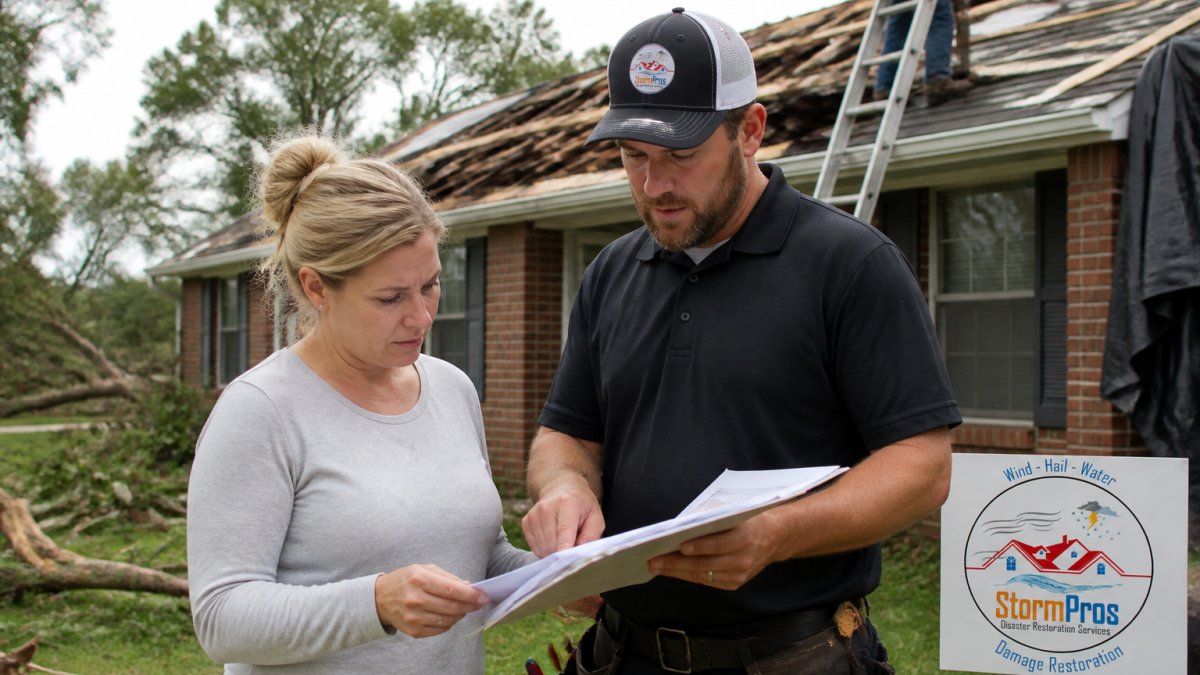
They arrive unsolicited at your door. Legitimate contractors don’t go door-to-door after storms. Storm chasers do.
They offer discounts for cash payments. They want cash upfront, which eliminates paper trails and makes it harder to recover money if work isn’t completed.
They can’t provide local references. They’ve just arrived in your area. They can’t name other local customers. Legitimate contractors have established relationships in their service area.
They don’t have a permanent local office. They work from a truck or temporary location.
They guarantee insurance will cover everything. They promise your insurance will pay the full bill. Insurance adjusters make those decisions, not contractors.
They have no verifiable license. When you check the state database, nothing comes up. They claim their license is “in process” or “in another state.”
They ask you to sign blank documents. They want you to sign estimate forms before filling in details. This is a major red flag.
They offer to handle insurance claims for a percentage. Some take 10-30% of the insurance payout.
They use high-pressure sales tactics. They emphasize urgency, scarcity, or fear. They claim other contractors are booked and this is your only chance.
Storm chasers damage communities. They take money and disappear. They leave incomplete work. They damage the reputation of legitimate contractors.
Questions to Ask a Roofing Contractor Before Hiring
Before hiring any contractor, ask specific questions. Their answers reveal professionalism and expertise.
“Can you provide proof of current licensing?” They should immediately offer to show you their license.
“What insurance coverage do you carry?” They should have general liability insurance and workers’ compensation.
“How long have you been in business?” Established contractors have been operating for years.
“Can you provide references from recent projects?” Ask for at least three recent customers. Call them and ask about their experience.
“Do you pull permits for this type of work?” Licensed contractors pull required permits.
“What’s your warranty on materials and labor?” Reputable contractors warrant their work. They stand behind what they do.
“How do you handle change orders?” During repairs, additional damage sometimes emerges. Ask how they’ll handle unexpected work and cost increases.
“Will you work with my insurance company?” Professional contractors coordinate with adjusters.
“What’s your payment schedule?” Legitimate contractors don’t demand full payment upfront. They typically request deposits and progress payments.
“Are you bonded?” Bonding protects you if the contractor fails to complete work or causes damage. Ask to see proof of bonding.
“How long will the project take?” Realistic timelines show experience. Vague answers or unrealistic promises are concerning.
“What happens if something goes wrong?” How do they handle disputes or unsatisfactory work? What’s their process for addressing complaints?
These questions separate professionals from amateurs. Legitimate contractors answer confidently and provide documentation.
Storm Repair Contract Checklist: What to Review
Before signing any contract, review it carefully. A solid contract protects both you and the contractor.
Scope of work. The contract should detail exactly what will be repaired. It should reference damage photos and specific locations.
Materials and specifications. The contract should specify what materials will be used. It should name brands, grades, and colors.
Timeline and schedule. The contract should state when work starts and when it finishes. It should identify any weather-dependent phases.
Cost and payment terms. The contract should itemize costs. It should show labor, materials, permits, and other charges separately.
Warranty details. The contract should outline what’s covered and for how long. Material warranties come from manufacturers.
Insurance and liability. The contract should confirm the contractor carries liability insurance and workers’ compensation.
Permits and inspections. The contract should specify who obtains permits and pays for them. Most contractors handle this.
Change order process. The contract should explain how additional work is handled.
Cleanup and site restoration. The contract should detail what debris removal is included.
Dispute resolution. The contract should outline how disagreements are handled.
Termination clause. The contract should explain what happens if either party wants to stop work.
Contact information. The contract should list the contractor’s name, address, phone, and license number. It should identify the project manager.
Review contracts carefully. Ask questions about anything unclear. Don’t sign until you understand every term.
Insurance Restoration and Licensed Contractor Collaboration
Working with your insurance company requires coordination. Licensed contractors understand this process and can help guide you through it.
When you file an insurance claim, the company sends an adjuster to assess damage. The adjuster estimates repair costs. This estimate becomes the basis for your insurance payout.
Many homeowners don’t know that contractors can work directly with adjusters. Licensed contractors submit detailed estimates with photos and documentation. They explain why certain repairs are necessary.
Some contractors offer to handle the entire insurance process. They file claims, coordinate with adjusters, and manage the paperwork. This removes stress from homeowners.
Licensed contractors also know what insurance typically covers. They understand which repairs are covered and which aren’t. They can explain why certain damage requires insurance approval while other work doesn’t.
The collaboration works best when everyone communicates clearly. The contractor shares detailed estimates with the insurance company. The adjuster responds with approval or questions. The contractor addresses any concerns.
One important note: never sign a contract with a contractor before your insurance adjuster inspects the damage. The adjuster’s estimate determines your coverage.
Licensed contractors respect this process. They understand that insurance determines what gets paid. They don’t pressure you to sign contracts before insurance approval.
When storm damage strikes your home, hiring a licensed contractor for storm repairs protects your investment and ensures quality work. Licensed professionals carry insurance, maintain bonding, and follow building codes.
Frequently Asked Questions
How can I verify that a storm-repair contractor is licensed?
Contact your state’s licensing board or contractor regulatory agency with the contractor’s name and license number. Most states maintain online searchable databases. Verify the license is current and in good standing, and confirm it covers the specific work you need (roofing, general contracting, etc.). Ask the contractor for their license number upfront, and cross-check it against official records before signing any agreement.
What should I check before signing a storm-repair contract?
Review the scope of work in detail, including materials, labor, timeline, and warranty terms. Confirm the contractor’s insurance and bonding information. Check that the contract includes a detailed damage assessment, written estimate breakdown, and payment schedule tied to project milestones, not upfront payment for the entire job. Ensure the contract specifies permits, building code compliance, and cleanup responsibilities. Never sign a blank contract or one that waives your right to review insurance estimates.
What are the main risks of hiring an unlicensed contractor?
Unlicensed contractors often lack proper insurance and bonding, leaving you liable for injuries or property damage on your site. They may not follow building codes or obtain required permits, creating safety hazards and resale complications. If work fails or damage occurs, you have limited legal recourse. Many unlicensed contractors disappear after payment, leaving unfinished work. Licensed contractors carry workers’ compensation insurance and liability coverage that protect both you and your property.
Can a licensed contractor help with my insurance claim?
Yes. Licensed contractors experienced in storm restoration can prepare detailed damage assessments, provide written estimates, and work directly with insurance adjusters. They understand how to document damage thoroughly and present repair scopes that align with insurance coverage. Many licensed contractors act as claim advocates, helping homeowners understand their coverage and ensuring repair estimates reflect the full extent of damage. This collaboration often results in more accurate claim settlements and faster restoration timelines.


