 5.0 Out Of 250+ Reviews


 Financing Available


 (214) 227-2763

Last Updated: November 17, 2026
Quick Summary
A roof damage claim is often denied as wear and tear when the insurer believes the damage came from age, poor maintenance, or gradual deterioration rather than a sudden storm. You can appeal by reading the denial letter closely, matching evidence to the stated reason, and getting an independent inspection.
- Check the denial letter for the stated cause, the cited policy clause, and the appeal deadline.
- Adjusters look at whether damage fits the storm date, with fresh breaks indicating storm damage.
- Match your evidence to each denial reason, such as dated photos, weather reports, or installation records.
- Get an independent inspection report from a qualified roofer or engineer to attach to your appeal.
- Send a calm written appeal that quotes the policy language and keep a log of all communications.
Table of Contents
Your roof took a beating in the last storm, but your insurance company says the damage is just old age. That denial can feel like a slap, especially when your roof was fine before the weather hit and you are now facing a roof damage claim you did not expect. StormPros is a family-owned general contractor that handles storm damage restoration, and this guide explains why insurers reach these conclusions. This guide explains why insurers reach this conclusion, how to read the letter, and what to do next.
A wear and tear denial means the insurer believes the damage came from age, poor maintenance, or gradual deterioration rather than a sudden covered event like wind or hail. Most standard homeowners policies cover sudden, accidental damage but exclude damage that builds up slowly over time.
Insurers look at a few things when they make this call:
- The age of the roof and its shingles
- The pattern of the damage across the roof
- Whether the damage matches the storm date
- Signs of long-term problems like granule loss, curling, or cracked seals
Watch out: A denial is not always the final word. Insurers can make mistakes, and decisions are sometimes revised once the homeowner provides better evidence.
Denials also happen because adjusters work fast. A single visit may miss the full scope of the damage, so a second look often matters.
Storm Damage vs Wear and Tear Roof: How Adjusters Tell the Difference
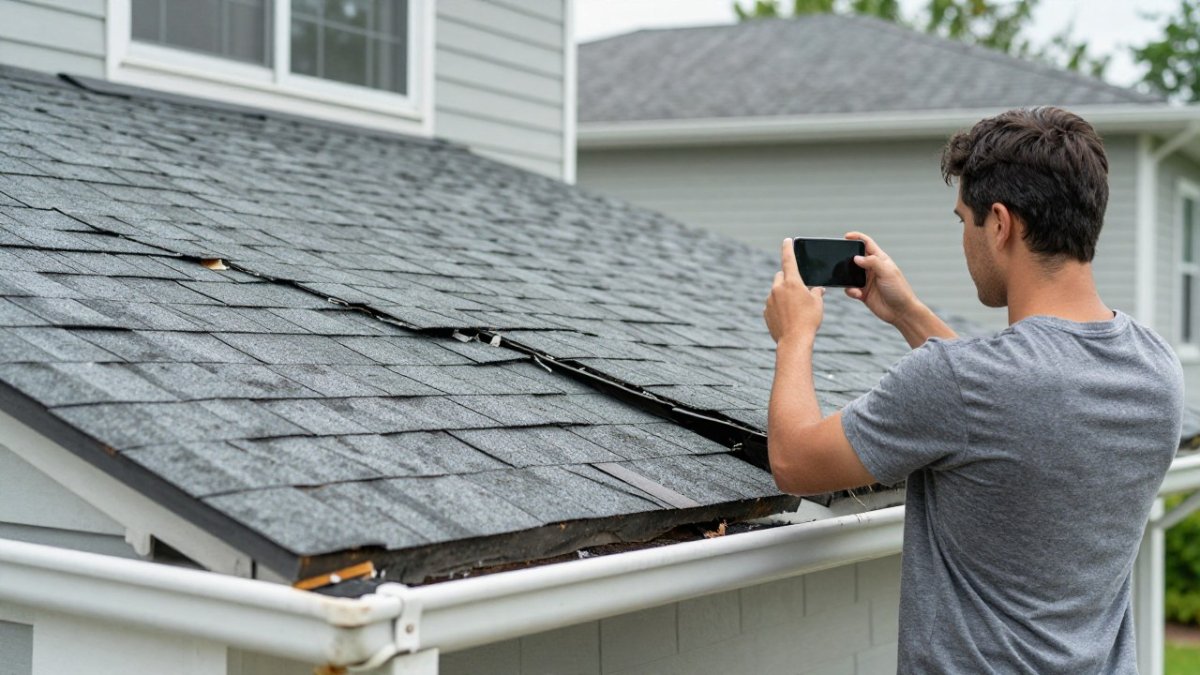
Storm damage usually looks different from ordinary deterioration. Adjusters look for clear signs that something hit the roof hard and recently.
Storm damage tends to show:
- Fresh impact marks on shingles, vents, and gutters
- Torn or missing shingles in a clear pattern
- Dents in metal flashing or vent caps
- Debris and granules piled up near downspouts
Wear and tear tends to show:
- Uniform granule loss across the whole roof
- Curling or cupping shingles
- Cracked sealant and rusted flashing
- Damage that appears in every slope equally
The key question is timing. Adjusters ask whether the damage fits the date of the storm. A roof that leaked for years before the storm will show old stains, while fresh storm damage will show clean, recent breaks in the material.
Reading the Denial Letter and Checking the Policy Language
The denial letter should name the reason for the denial and cite a policy provision. Read it closely and look for three things: the exact reason given, the policy language the insurer relied on, and any deadline for appeal.
Start by checking:
- The stated cause of loss (wear and tear, deterioration, maintenance)
- The specific exclusion or clause cited
- The date of the adjuster’s inspection
- The appeal deadline and the address for submitting disputes
Pull out your full policy and compare the cited clause against the wording. Many denials rely on exclusions that do not match the actual damage. If the language is unclear, a licensed public adjuster or insurance attorney can explain it.
Evidence Checklist: Matching Documentation to Each Denial Reason
Each denial reason calls for different proof. Match your documentation to the specific reason in the letter.
- Denial says “wear and tear”: Photos of fresh breaks, torn shingles, and debris taken soon after the storm
- Denial says “age of roof”: Original installation records, permits, or invoices showing roof age and prior repairs
- Denial says “no storm damage”: Weather reports from the storm date and dated photos of the roof
- Denial says “maintenance issue”: Repair records showing regular upkeep, plus an independent inspection report
- Denial says “pre-existing damage”: Dated photos from before the storm, if you have them, plus contractor notes
Keep everything in one folder. Label each photo with the date and location on the roof. Store copies digitally in case originals are lost.
How to Appeal a Denied Insurance Claim, Step by Step
An appeal works best when it follows a clear sequence. Many homeowners who appeal successfully take these steps:
- Request the complete claim file from the insurer in writing.
- Compare the denial reason against your policy wording.
- Gather the evidence that matches each denial reason.
- Get an independent inspection report from a qualified roofer or engineer.
- Send a written appeal that cites the policy language and attaches your evidence.
- Keep a log of every call, email, and letter, with dates and names.
- Follow up in writing if you do not receive a response within the timeline stated in your policy.
Adjusters respond better to calm, specific letters than to angry calls. For practical guidance on communicating with insurance adjusters during a dispute, see our step-by-step advice on documentation and negotiation. Stick to facts, quote the policy, and ask for a reinspection in writing.
Hiring a Public Adjuster for Roof Claims: Costs, Risks, and When It Makes Sense
A public adjuster works for you, not the insurer. They inspect the damage, prepare the claim, and negotiate with the insurance company. Public adjusters are generally paid based on the settlement, so ask for the exact fee terms in writing before you sign.
Consider a public adjuster when:
- The denial involves a large or complex loss
- You feel overwhelmed by the paperwork
- The insurer’s estimate is far below repair costs
Be cautious with anyone who pushes you to sign quickly or promises a guaranteed result. Check the adjuster’s state license before you agree to anything.
Scheduling Your Next Step: Getting an Independent Roof Inspection
An independent inspection gives you a second set of eyes on the damage. A roofer or engineer who did not work for the insurer can document storm impacts, separate them from age-related wear, and write a report you can attach to your appeal. Pay attention to whether the report describes specific damage and dates, not general statements.
Once you have a clear picture of the damage, the next step is to contact a qualified contractor who can document the storm damage and help you move forward with your roof damage claim. StormPros is a fully insured, locally owned contractor with more than 20 years of combined experience. Call StormPros today to schedule an inspection and get your free quote.
Frequently Asked Questions
What not to say to insurance adjuster about roof?
Avoid guessing about the cause or age of the damage, and do not agree to a repair scope or dollar figure on the spot. Stick to observable facts such as when you first noticed the damage, what the weather was like, and where leaks appear. Ask for the adjuster’s findings in writing and say you will review them. Speculation about pre-existing problems can be recorded and used against you, so describe what you saw and let the documentation do the rest.
Can I get a second opinion after an insurance claim denial?
Yes. You can hire an independent roofing contractor or engineer to inspect the roof and write a report that addresses the specific reasons given in the denial letter. Many homeowners also request a re-inspection by the insurer. A second opinion is most persuasive when it identifies storm-related indicators such as fresh fractures, directional damage, or granule loss consistent with the storm date, and when it cites the policy language that covers those conditions.
Should I hire a public adjuster for a denied roof claim?
A public adjuster works for you, not the insurer, and typically charges a percentage of the settlement, depending on your state and the contract. Consider one if the denial is complex, the dispute involves a large amount, or you lack time to manage the appeal. Compare fee terms before signing, confirm the adjuster is licensed in your state, and understand that the fee comes out of your recovery. Attorneys are an alternative when bad-faith handling is suspected.
Will my insurance premiums increase if I appeal a denied claim?
Filing an appeal or disputing a denial does not by itself change your premium. Premiums are generally affected by claims that are paid, so an approved claim is more likely to influence renewal pricing than an appeal of a denied one. Rules vary by insurer and state, so check your policy and ask your agent how a pending or resolved claim may be treated at renewal.


