 5.0 Out Of 250+ Reviews

 Financing Available

 (214) 227-2763
Table of Contents
- What Professional Water Extraction Actually Costs
- Factors That Drive Water Extraction Pricing
- How Long Does Water Extraction Take
- The Water Damage Insurance Claim Process
- Hidden Costs of Drying vs. Extraction
- How to Evaluate a Water Extraction Quote
- Frequently Asked Questions
Last Updated: September 25, 2026
What Professional Water Extraction Actually Costs
Water extraction pricing varies dramatically because homeowners often conflate it with carpet cleaning or compare emergency quotes to routine service calls, which aren’t the same thing.
Professional water extraction removes standing water and moisture from structural materials to prevent catastrophic damage. When a pipe bursts or a storm floods your basement, extraction is the first critical step. Cost reflects contamination severity, square footage affected, and urgency.
A 1,000-square-foot extraction job isn’t simply ten times the cost of a 100-square-foot job, variables compound. Here’s what actually determines pricing.
Factors That Drive Water Extraction Pricing
Several concrete factors shift the cost of water extraction significantly. Understanding these helps you evaluate whether a quote is reasonable or inflated.
Water Category and Contamination Level
Water damage falls into three categories: Category 1 (clean water from broken supply lines, minimal health risk), Category 2 (some contamination from appliances or minor flooding), and Category 3 (heavily contaminated sewage or floodwater with harmful pathogens).
Category 3 extraction requires specialized protective equipment, disposal protocols, and often structural remediation, costing significantly more than Category 1 for the same square footage.
Ask which category applies to your situation. If the contractor doesn’t mention water category, that’s a red flag.
Square Footage and Affected Area
The affected area is the most straightforward pricing variable, but pricing doesn’t scale linearly. Setup and equipment mobilization are fixed costs, moving industrial air movers, dehumidifiers, and extraction trucks costs the same whether you’re treating 200 or 2,000 square feet.
Smaller jobs often have higher per-square-foot costs. A 200-square-foot extraction might cost more per square foot than a 2,000-square-foot mitigation, though the total bill is lower.
Emergency Response Timing
Emergency extraction (within hours of water intrusion, nights, weekends, or holidays) carries a premium reflecting staffing, equipment availability, and urgency.
A 2 a.m. Sunday call requires immediate technician response and equipment mobilization, more expensive than a Tuesday morning job. Clarify whether quotes include emergency response or if that’s an add-on.
How Long Does Water Extraction Take
Water extraction duration depends on square footage, water category, and equipment deployed. Labor costs often represent 40-60% of the total bill, so timeline directly affects cost.
Extraction Phase (Standing Water Removal)
Standing water extraction is typically the fastest phase: 200-500 square feet takes 2-4 hours; 1,500 square feet takes 6-10 hours. Speed depends on water depth, substrate type, and saturation level.
Extraction time isn’t linear with square footage. More technicians and equipment reduce duration but increase hourly cost.
The Drying Phase (Where Time Really Extends)
Extraction removes standing water, but moisture remains trapped in walls, subflooring, and structural materials. Industrial dehumidifiers and air movers must run continuously, often 24/7, for 5-14 days or longer.
A Category 1 water event (clean water from a burst pipe) in a single room might require 5-7 days of drying. A Category 2 or Category 3 event, or one affecting multiple rooms or the basement, can require 10-21 days of continuous equipment operation. If structural materials are heavily saturated, drying can extend to 30 days.
This matters for cost because:
- Dehumidifier and air mover rental is typically charged daily or weekly. A 7-day drying period costs less than a 21-day period.
- Labor for equipment monitoring, moisture testing, and repositioning air movers continues throughout drying.
- If mold begins to develop during drying, remediation becomes a separate line item that can double or triple the project cost.
Why Contractors Quote Different Timelines
When you receive multiple quotes, you may see different timelines for the same job. A contractor quoting 3 days of drying versus 10 days isn’t necessarily being dishonest, they may be using different equipment strategies.
The key is to understand what’s included in the timeline quote. Ask:
- How many dehumidifiers and air movers will be deployed?
- Will equipment run 24/7 or during business hours only?
- What is the moisture target (typically 50-60% relative humidity for structural materials)?
- If drying takes longer than estimated, are there additional charges, or is there a cap on the drying period?
The Water Damage Insurance Claim Process
Insurance typically covers water extraction and mitigation when the damage results from a covered peril, burst pipes, storm damage, or sudden accidental water intrusion. Slow leaks, maintenance failures, and flooding from outside sources are usually excluded.
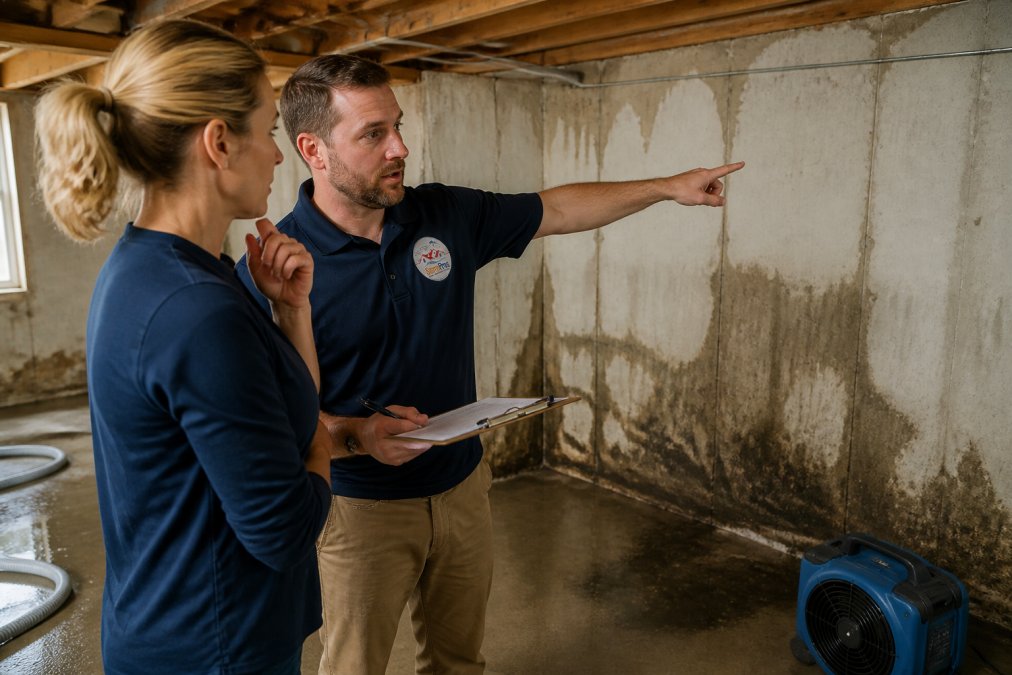
Hidden Costs of Drying vs. Extraction
This is where most homeowners get blindsided. Extraction removes standing water. Drying prevents long-term damage. They’re sequential steps, and drying is often more expensive and time-consuming than extraction itself.
How to Evaluate a Water Extraction Quote
A fair water extraction quote should be specific, transparent, and justified. But beyond checking boxes, you need to know how to negotiate and what red flags signal overcharging or corner-cutting.
The Itemized Breakdown: What Must Be Separated
The quote should break down costs into distinct categories:
- Extraction labor (hourly rate × estimated hours, or flat fee for the extraction phase)
- Drying equipment rental (dehumidifiers, air movers, daily or weekly rate)
- Drying labor (monitoring, repositioning equipment, moisture testing)
- Emergency or after-hours surcharge (if applicable, typically 50-100% premium)
- Mold remediation or structural repair (if contamination or damage is present)
- Disposal fees (for contaminated materials, if Category 2 or 3 water)
Red Flags That Signal Overcharging
-
No water category assessment. A contractor who quotes without identifying whether the water is Category 1, 2, or 3 hasn’t done a proper evaluation. This is the first thing they should determine on-site. If they skip this, they’re either inexperienced or deliberately vague so they can inflate the price later.
-
Quoted drying time shorter than 5 days. Unless the affected area is under 200 square feet and the water is Category 1, drying in fewer than 5 days is unrealistic. A contractor promising a 2-3 day dry-out is either using inadequate equipment or will charge you additional fees when the timeline extends (which it will).
-
Per-square-foot pricing that doesn’t account for fixed costs. A contractor quoting $2 per square foot for a 500-square-foot job ($1,000) but $1 per square foot for a 2,000-square-foot job ($2,000) is applying fixed costs correctly. But if they quote $2 per square foot for both, they’re either underpricing the large job (and will cut corners) or overpricing the small job. Ask them to explain the per-square-foot math.
-
Vague emergency fees. A contractor who says “emergency surcharge applies” without specifying the amount or percentage is leaving room to inflate the bill. Emergency surcharges should be clearly stated upfront: “50% surcharge for after-hours response” or “$500 emergency mobilization fee.” If they won’t quantify it, don’t sign.
-
No mention of insurance coordination. If you’re filing a claim, a contractor who doesn’t mention working with your insurance adjuster or providing documentation is a liability. They may do poor work that your insurer won’t cover, leaving you to pay out of pocket.
-
Pressure to sign immediately. Water damage is urgent, but a reputable contractor can provide a quote within a few hours and give you 24 hours to decide. If they pressure you to sign on the spot, they’re banking on you not comparing quotes or asking questions.
Questions to Ask Before Signing
Use this checklist to probe deeper:
- “What is the water category, and what safety protocols does that require?” Their answer reveals whether they’ve assessed contamination.
- “How many dehumidifiers and air movers will you deploy, and will they run 24/7?” This determines drying speed and cost.
- “What is your hourly labor rate, and how many hours do you estimate for extraction?” This lets you verify the math.
- “If drying takes longer than your estimate, what happens? Are there additional charges, or is there a cap?” This protects you from surprise bills.
- “Are you IICRC certified, and do you carry liability insurance?” Certification and insurance are baseline professional standards.
- “Can you provide three references from water damage jobs in the past 12 months?” Call them. Ask if the contractor finished on time, stayed within budget, and coordinated with insurance.
- “Will you provide a written scope of work and a signed contract before starting?” Never accept a verbal agreement. Everything must be documented.
Comparing Multiple Quotes: The Right Way
Instead, rank quotes on these criteria:
- Specificity. Which quote is most detailed and itemized?
- Methodology. Which contractor explained their drying strategy and timeline most clearly?
- Insurance coordination. Which contractor mentioned working with your adjuster?
- Credentials. Which contractor has IICRC certification or equivalent?
- References. Which contractor’s references reported the best experience?
What a Fair Quote Looks Like
A fair quote for a typical water extraction job should:
- Itemize extraction, drying, labor, and equipment separately
- Specify the water category and affected square footage
- Estimate extraction time (usually 4-8 hours) and drying duration (usually 7-10 days)
- State the hourly labor rate or flat fee clearly
- Quantify emergency surcharges if applicable
- Include a timeline for when drying will be complete and how success is measured (target moisture level)
- Offer to coordinate with your insurance company
Frequently Asked Questions
How much does professional water extraction typically cost?
Water extraction pricing depends on several factors including affected square footage, water category (clean vs. contaminated), equipment needed, and response time. Service calls typically range from a base fee plus hourly labor or per-square-foot rates. For an accurate estimate tailored to your specific situation, contact StormPros for a FREE quote that reflects your property’s actual damage and extraction requirements.
Is water extraction covered by homeowners insurance?
Most homeowners insurance policies cover water damage restoration, including extraction and drying, when the damage results from a covered peril like storms or burst pipes. However, coverage depends on your specific policy terms and deductible. The water damage insurance claim process typically involves filing a claim, having an adjuster assess the damage, and then working with a restoration contractor. StormPros specializes in helping homeowners navigate this process to ensure fair claim approval.
What factors influence the price of water damage restoration?
Key pricing factors include water category (Category 1 clean water costs less than Category 3 sewage), square footage affected, structural drying requirements, equipment needed, labor rates, and emergency response timing. After-hours or weekend service often carries surcharges. Moisture mapping and sub-surface extraction add complexity and cost. A thorough property damage assessment identifies all these variables so you receive an accurate, transparent estimate.
How can I tell if a water restoration quote is inflated?
Compare quotes from multiple licensed, certified contractors. Look for itemized breakdowns showing service call fees, labor rates, equipment charges, and drying timelines. Verify they hold IICRC certification and explain their methodology. Red flags include vague pricing, pressure to sign immediately, or quotes significantly higher than others without justification. Ask how they determined square footage and water category, transparent contractors explain their assessment process.


