 5.0 Out Of 250+ Reviews


 Financing Available


 (214) 227-2763

Table of Contents
- The Real Cost of Metal Roofing Worth It: Installation and Materials
- Metal Roof vs Asphalt Shingles Cost: What You Actually Pay
- Lifespan and Durability: Why Longevity Drives ROI
- Energy Efficiency and Thermal Performance Benefits
- Metal Roof Insurance Discounts and Premium Reduction
- Cost of Seamless Gutter Installation and Maintenance Reality
- Resale Value and Home Equity Impact
- Common Installation Pitfalls and Contractor Vetting
- Frequently Asked Questions
Last Updated: September 22, 2026
The Real Cost of Metal Roofing Worth It: Installation and Materials
Is metal roofing worth it for residential homes? The answer depends on comparing upfront costs against long-term value, and that calculation looks different for every homeowner. Metal roofing typically costs more to install than traditional asphalt shingles, but the durability and longevity often justify the premium over 20-30 years of ownership.
Installation costs vary based on roof complexity, material choice, and local labor rates. Metal panels come in several forms: standing seam systems, exposed fastener panels, and metal shingles that mimic traditional looks. Standing seam roofs, where vertical seams are mechanically fastened and the panels expand and contract freely, command higher installation prices but deliver superior performance and longevity. Exposed fastener systems cost less upfront but require more maintenance over time as fasteners loosen and sealants degrade.
The material itself accounts for roughly 40-50% of total installation cost. Aluminum, galvanized steel, and copper each carry different price points and performance characteristics. Aluminum resists corrosion naturally and works well in coastal environments. Galvanized steel offers strength at a lower price but requires protective coatings in corrosive climates. Copper develops a protective patina and lasts 50+ years, but carries the highest material cost.
For homeowners planning to stay in their homes 15+ years, metal roofing worth it becomes a clearer yes.
When comparing quotes, ask contractors to specify the gauge of metal (thinner = cheaper but less durable), the type of fastening system, and whether the installation includes proper underlayment. These details drive both cost and performance.
Metal Roof vs Asphalt Shingles Cost: What You Actually Pay
A direct cost comparison reveals why homeowners debate this choice. Asphalt shingles remain the lowest-cost option at installation, making them attractive for budget-conscious buyers or those with shorter time horizons. However, asphalt roofs typically last 15-20 years before requiring replacement, while metal roofing worth it for residential homes extends that lifespan to 40-70 years depending on material and climate.
The cost-per-year calculation favors metal when you factor in replacement cycles. Two or three asphalt roof replacements over 50 years add up quickly, each replacement involves labor, disposal of old materials, and potential water damage during transitions. Metal roofing avoids this cycle, meaning fewer disruptions and lower aggregate costs over decades of ownership.
Installation labor differs significantly between the two. Asphalt shingle installation is straightforward and widely available, keeping labor costs moderate. Metal roofing installation requires specialized skills, improper fastening or seam sealing leads to leaks and voided warranties. This specialization increases labor costs but ensures proper performance. Hiring experienced contractors who understand metal roofing specifics protects your investment.
| Material | Typical Lifespan | Installation Complexity | Maintenance Frequency |
|---|---|---|---|
| Asphalt Shingles | 15-20 years | Low | Annual inspections, occasional repairs |
| Metal Roofing | 40-70 years | High | Minimal, occasional fastener checks |
| Copper | 50+ years | High | Patina maintenance only |
The table above illustrates why metal roofing worth it becomes evident over longer ownership periods. Homeowners who plan to stay put benefit most from metal’s durability advantage.
If you’re staying in your home 15+ years, metal roofing’s extended lifespan typically offsets its higher installation cost through avoided replacement cycles.
Lifespan and Durability: Why Longevity Drives ROI
Metal roofing delivers durability that asphalt simply cannot match. A properly installed metal roof resists wind uplift, handles severe weather, and maintains structural integrity through decades of temperature cycling. The material itself doesn’t degrade like asphalt, it doesn’t curl, crack, or lose granules over time.
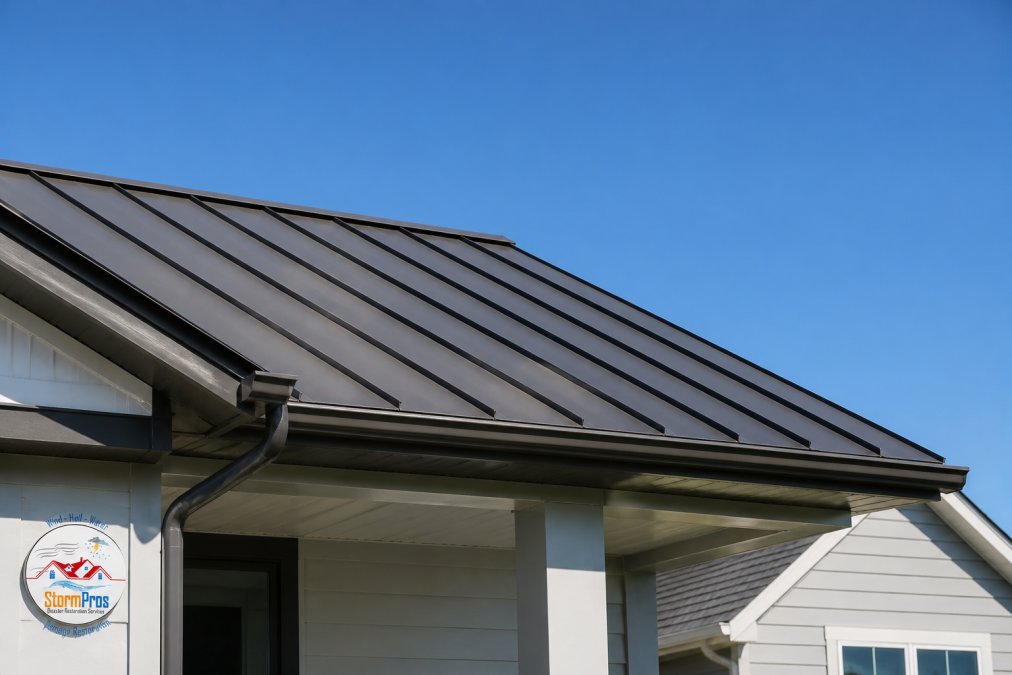
Standing seam metal roofs expand and contract with temperature changes without fastener stress, which is why they outlast exposed fastener systems. The seams themselves are the strongest part of the roof, not a weak point. This design means fewer leaks, less maintenance, and predictable performance across 40, 50, or even 60 years.
Warranty coverage reflects this durability. Metal roofing manufacturers commonly offer 30-50 year warranties, while asphalt shingle warranties typically max out at 20-25 years. Some metal roof warranties are transferable to subsequent homeowners, which adds resale appeal. Installation quality determines whether you’ll actually achieve the full lifespan, poor sealing, inadequate underlayment, or incorrect fastening voids warranties and shortens roof life.
Climate impacts durability differently across materials. In regions with frequent hail, metal’s impact resistance prevents the damage that punctures asphalt shingles. In coastal areas, corrosion resistance matters, aluminum and copper outperform galvanized steel unless the steel carries premium coatings. In high-wind zones, metal’s structural strength and fastening systems resist uplift better than shingles.
Energy Efficiency and Thermal Performance Benefits
Metal roofing reflects solar radiation rather than absorbing it, which reduces cooling costs in warm climates. The reflective surface bounces heat away from the home, lowering attic temperatures and reducing air conditioning demand. This thermal performance benefit translates to measurable utility savings, particularly in regions with hot summers.
The reflectance and emissivity ratings of metal roofing determine its energy efficiency. Light-colored metal panels with high solar reflectance (70%+) and high emissivity (85%+) perform best. These coatings are engineered to reflect infrared radiation while maintaining durability. Some homeowners see 10-15% reductions in cooling costs during peak summer months, though actual savings depend on local climate, insulation, and cooling patterns.
Asphalt shingles, by contrast, absorb solar radiation and transfer heat into the home. Dark-colored shingles absorb more heat than light ones, but even light asphalt shingles don’t match metal’s reflective performance. This heat absorption increases cooling loads and utility costs over the roof’s lifespan.
The energy efficiency benefit of metal roofing worth it becomes clearer when you calculate savings over 30-40 years. Cumulative cooling cost reductions can offset a portion of the higher installation cost, particularly in hot climates. In colder regions where heating dominates, energy savings are minimal, but durability and longevity still favor metal.
Improper attic ventilation can trap heat beneath a metal roof, negating energy efficiency gains. Ensure your contractor installs proper ventilation and underlayment to allow air circulation and prevent moisture buildup.
Metal Roof Insurance Discounts and Premium Reduction
Insurance companies recognize metal roofing’s durability and weather resistance, and many offer premium discounts for homes with metal roofs. These discounts typically range from modest reductions to significant savings, depending on your insurer and location. In areas prone to hail, wind, or fire, insurers reward metal roofs more generously because they reduce claim frequency and severity.
Some insurers offer discounts of 10-20% on homeowners insurance for metal roofs, particularly standing seam systems with proven performance. This discount applies annually, compounding savings over decades. A homeowner with a $1,500 annual premium might save $150-300 per year, totaling $1,500-3,000 over a 10-year period.
To qualify for insurance discounts, your metal roof must meet specific standards. Insurers typically require proper installation, correct fastening, and compliance with local building codes. They may also require impact-resistant coatings in hail-prone regions. Some insurers request inspection documentation or certification from the installer.
Fire resistance also influences insurance rates. Metal roofing is non-combustible and carries a Class A fire rating, the highest available. In wildfire-prone areas, this fire resistance reduces risk and often qualifies for additional discounts. Asphalt shingles, while treated with fire-retardant coatings, don’t match metal’s inherent fire safety.
The insurance discount benefit of metal roofing worth it becomes especially clear for homeowners in high-risk regions. When combined with durability savings and energy efficiency, insurance discounts strengthen the financial case for upgrading to metal.
Cost of Seamless Gutter Installation and Maintenance Reality
Metal roofs often pair with upgraded gutter systems to maximize water management and home protection. Seamless gutters, custom-formed to fit your roofline, offer advantages over sectional gutters: fewer seams mean fewer leak points, and seamless systems handle water volume more efficiently. The cost of seamless gutter installation varies based on roof perimeter and material choice.
Aluminum seamless gutters cost less than copper or steel options but require periodic maintenance. Copper seamless gutters resist corrosion and develop a protective patina over time, lasting 50+ years like the metal roof above. Steel gutters offer strength but need protective coatings in corrosive climates.
Maintenance reality differs between metal roofs and gutter systems. Metal roofs demand minimal maintenance, occasional inspections for fastener tightness and debris removal suffice.
Schedule gutter cleaning twice yearly, once in late spring after trees finish shedding pollen and seeds, and once in fall after leaves drop. This prevents clogs and extends gutter lifespan.
Resale Value and Home Equity Impact
Metal roofing enhances curb appeal and signals quality to potential buyers. A visible metal roof, particularly standing seam systems with clean lines, adds visual interest and suggests a well-maintained property. This aesthetic advantage translates to buyer perception and, often, higher home values.
Common Installation Pitfalls and Contractor Vetting
Poor installation undermines metal roofing’s durability advantage. Common mistakes include inadequate underlayment, improper fastening, insufficient seam sealing, and incorrect ventilation setup. Each of these errors can void warranties and lead to leaks, ice damming, or premature fastener corrosion.
Frequently Asked Questions
Does homeowners insurance go down with a metal roof?
Yes, many insurers offer premium discounts for metal roofs due to their superior fire rating and wind uplift resistance. Discounts typically range from 10-35% depending on your insurer and roof design. Contact your insurance agent before installation to confirm your specific discount eligibility and ensure the metal roof meets their underwriting standards for the discount to apply.
How long does a metal roof actually last compared to shingles?
Metal roofs last 40-70 years with proper maintenance, while asphalt shingles typically last 15-25 years. This 2-3x lifespan advantage is the primary driver of metal roofing’s long-term ROI. Over a 50-year homeownership period, you may replace asphalt shingles 2-3 times but never replace a metal roof, making the initial cost difference less significant over time.
What’s the downside of a metal roof?
Metal roofs cost significantly more upfront than asphalt shingles, require specialized installation expertise, and can be noisier during heavy rain without proper underlayment. They also require periodic maintenance like checking fasteners and seams. Poor installation by unqualified contractors can lead to water seepage, corrosion, and structural problems, making contractor vetting essential before you commit.
Does a metal roof devalue a house?
No, metal roofs typically increase home equity and curb appeal, especially in regions prone to severe weather. Homes with metal roofs often command higher resale values because buyers recognize the durability and lower maintenance costs. However, style matters: standing seam metal roofs appeal to more buyers than exposed fastener designs. A professional inspection confirms quality installation, which directly impacts resale perception.


