 5.0 Out Of 250+ Reviews


 Financing Available


 (214) 227-2763

Table of Contents
- What Professional Mold Remediation Actually Involves
- Health Risks of Mold Exposure and Why It Matters
- DIY Mold Removal Safety Precautions vs. Professional Standards
- Understanding Mold Remediation Cost Per Square Foot
- Insurance Coverage and Claim Assistance for Mold Damage
- How to Prevent Mold Regrowth After Treatment
- Signs You Need Professional Help vs. DIY Solutions
- The Real Value of Professional Mold Remediation
- Frequently Asked Questions
Last Updated: September 20, 2026
What Professional Mold Remediation Actually Involves
Professional mold remediation is the systematic process of identifying, containing, and eliminating mold growth while preventing cross-contamination and future regrowth, far beyond simply scrubbing surfaces with bleach.
The process begins with a comprehensive mold assessment using specialized equipment like moisture meters and hygrometers to identify moisture sources and locate both visible and hidden mold in basements, crawl spaces, attics, and around plumbing fixtures.
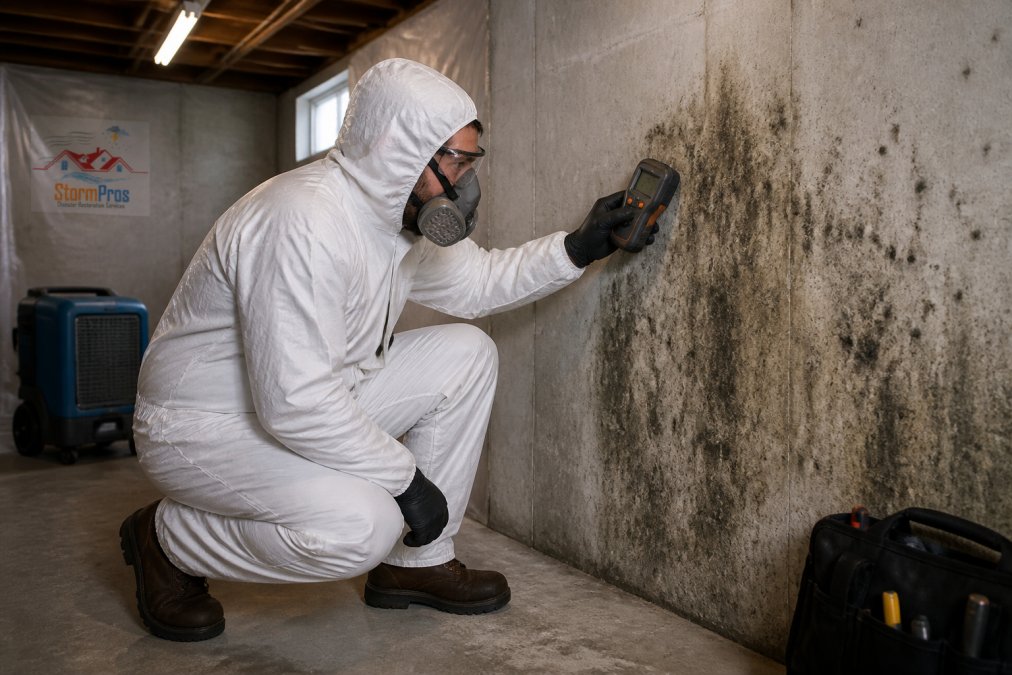
Containment barriers prevent spores from spreading during removal. Professionals use HEPA filtration and negative air pressure, remove contaminated porous materials (drywall, insulation, flooring), apply biocide treatments to non-porous surfaces, and conduct verification testing to confirm success.
Professional contractors document every step with photos and testing results. This documentation is essential when filing insurance claims and proves the work was completed to industry standards.
Health Risks of Mold Exposure and Why It Matters
Mold exposure triggers respiratory symptoms, allergic reactions, and in some cases serious health complications when spores are inhaled.
Symptoms include coughs, wheezing, nasal congestion, and eye irritation. People with asthma or compromised immunity face higher risk. Certain mold species produce mycotoxins that cause significant health effects with prolonged exposure; identifying the species requires professional assessment (pubmed.ncbi.nlm.nih.gov).
Active mold creates an unhealthy living environment, particularly for children, elderly family members, and those with respiratory conditions.
DIY Mold Removal Safety Precautions vs. Professional Standards
DIY mold removal is dangerous because disturbing mold releases massive quantities of spores throughout your home without containment barriers and HEPA filtration.
For small surface mold, wear an N95 or P100 respirator, eye protection, heavy-duty gloves, and disposable coveralls. Work in a well-ventilated area and never mix bleach with other cleaning products.
DIY approaches only address visible mold. Hidden mold in walls, under flooring, or HVAC systems remains untreated. You cannot assess moisture sources, verify success, or prevent cross-contamination without professional equipment and infrastructure.
Professional standards mandate documentation, verification testing, and moisture source elimination. Professionals identify structural damage requiring repair. DIY efforts typically fail because moisture sources remain, causing regrowth within weeks.
Disturbing mold without proper containment spreads spores throughout your home’s air and HVAC system. This can worsen health effects and contaminate areas that weren’t previously affected. The cost of professional remediation is often less than the cost of addressing widespread contamination caused by improper DIY attempts.
Understanding Mold Remediation Cost Per Square Foot
Professional remediation costs vary based on affected area size, mold extent, moisture source complexity, and structural repair needs. Small bathroom surface mold costs far less than extensive basement growth with active water intrusion.
Cost Breakdown by Scope
Mold remediation pricing typically falls into these categories:
Surface mold on non-porous materials (tiles, painted drywall): $500-$2,000 for areas under 10 square feet, including containment, biocide treatment, HEPA filtration, and verification testing.
Mold in porous materials (drywall, insulation, subflooring): $2,000-$6,000 for areas of 10-50 square feet, including containment, material removal, disposal, treatment, and verification testing.
Extensive mold with structural involvement: $5,000-$15,000+ for areas over 50 square feet or when structural repairs are needed, including extended containment, material removal, framing repairs, and moisture source remediation.
These ranges include proper assessment, containment, removal, treatment, verification testing, and documentation. Quotes significantly below these ranges may indicate corners being cut.
What Drives Cost Variation
Moisture source complexity is a primary cost driver. Simple bathroom leaks cost less than foundation cracks with ongoing intrusion. Plumbing repairs, foundation work, or HVAC modifications increase costs substantially.
Material removal requirements significantly impact pricing. Porous materials must be removed; non-porous materials can be treated and preserved. More removal required means higher cost.
Containment complexity varies by location. Small bathrooms require less infrastructure than basements or attics. Negative air pressure systems, HEPA filtration, and barriers add cost proportional to area.
Accessibility affects labor costs. Crawl spaces, attics, and behind-wall locations require more time and specialized equipment.
Verification testing adds $300-$800 and confirms spore levels have returned to normal, essential for insurance documentation and health verification.
The Hidden Cost of DIY Failure: Long-Term ROI Analysis
DIY failure often costs more than professional remediation. A homeowner spending $200-$500 on DIY cleanup sees mold regrow within 2-8 weeks. Repeating this cycle 2-3 times costs $600-$1,500 in failed attempts. Meanwhile, mold spreads behind walls and under flooring, causing structural damage. When professional remediation becomes necessary, scope has expanded to $8,000-$12,000 plus the $600-$1,500 in failed attempts, totaling $8,600-$13,500.
Professional remediation from the start costs $3,000-$5,000 once and prevents regrowth, avoiding repeated treatments and structural damage.
Professional remediation from the start can prevent costly long-term damage and repeated efforts.
Insurance Coverage Impact on Net Cost
Insurance typically covers remediation if water damage caused the mold, limiting your out-of-pocket cost to your deductible ($500-$1,500). DIY attempts lack documentation, making it harder to establish causation for claims. Professional remediation includes detailed photos, assessment reports, and estimates that strengthen claims and improve coverage outcomes.
The decision between DIY and professional remediation should factor in long-term costs, not just immediate expenses. A single professional treatment with proper moisture control typically costs less over time than repeated DIY attempts followed by structural repairs. When insurance coverage applies, professional remediation becomes even more cost-effective because your deductible replaces the full remediation cost.
Insurance Coverage and Claim Assistance for Mold Damage
Insurance covers mold remediation only when caused by a covered water event (burst pipes, storm damage, roof leaks, plumbing failures). Gradual moisture accumulation, condensation, or neglected maintenance typically fall outside coverage. Review your policy’s water damage and mold exclusions before filing a claim.
Step-by-Step Documentation for a Successful Claim
1. Document the water damage event immediately with photos and video of the initial intrusion, source, extent, date, and time to establish causation.
2. Photograph mold growth and affected areas from multiple angles, including wide shots and close-ups showing discoloration and scope.
3. Preserve damaged materials when possible and photograph before disposal. Keep receipts for all removed materials.
4. Obtain a professional remediation estimate including scope, square footage, materials, containment measures, and verification testing. Adjusters take professional estimates seriously.
**5.
Common Adjuster Mistakes and How to Challenge Them
Adjusters may underestimate affected area, classify mold as maintenance rather than water damage consequence, or deny coverage based on policy exclusions. Request detailed breakdowns of area calculations, re-inspections if estimates don’t match professional assessments, and written explanations of exclusions. Have your contractor review denial letters and provide written responses.
Working with Adjusters vs. Hiring Public Adjusters
Before hiring a public adjuster, get a detailed written estimate from your remediation contractor. Compare this estimate to the insurance company’s offer. If the difference exceeds $5,000, a public adjuster’s fee may be justified. For smaller discrepancies, working with your contractor to challenge the adjuster’s assessment is usually sufficient.
The real value of professional claim assistance is having someone on your side who understands both the remediation process and insurance language. Adjusters make quick assessments based on limited information; contractors provide detailed analysis grounded in actual remediation requirements. When these conflict, having professional documentation and expertise supports your position and often results in better coverage outcomes than attempting the process alone.
How to Prevent Mold Regrowth After Treatment
Mold regrowth happens when moisture returns. Professional remediation eliminates existing mold, but preventing regrowth requires addressing the underlying moisture problem. This is the critical step many homeowners skip, leading to expensive repeat treatments.
The difference between successful remediation and repeated mold problems comes down to moisture control. Professional contractors eliminate existing mold; homeowners must maintain the conditions that prevent its return.
Signs You Need Professional Help vs. DIY Solutions
The decision between DIY and professional remediation depends on several factors. Small surface mold on non-porous materials, bathroom tiles, painted surfaces, can be handled with proper precautions. If the affected area is less than 10 square feet, mold is surface-level only, and you can identify the moisture source, DIY might be feasible.
The Real Value of Professional Mold Remediation
Is professional mold remediation worth it? The answer depends on what you’re evaluating. If you’re comparing cost alone, professional services cost more than DIY attempts. If you’re evaluating actual value, health protection, proper moisture source elimination, documentation for insurance, prevention of regrowth, and structural protection, professional remediation delivers measurable benefits.
Frequently Asked Questions
Is professional mold remediation usually successful?
Professional mold remediation is successful when performed by certified contractors who follow established remediation protocols. Success depends on properly identifying moisture sources, containing the affected area, removing contaminated materials, and restoring indoor air quality through HEPA filtration and dehumidification. Post-remediation verification testing confirms that spore counts have returned to normal levels. Proper execution prevents mold from returning, making the investment worthwhile for most homeowners.
How likely is mold to come back after professional remediation?
Mold regrowth is unlikely if moisture sources are eliminated and proper prevention measures are maintained. After professional remediation, the risk depends on controlling relative humidity below 50%, ensuring proper ventilation, fixing water leaks promptly, and monitoring areas prone to moisture. Regular inspections of previously affected spaces help catch early signs of microbial growth. Professionals typically provide guidance on long-term maintenance to prevent recurrence.
Does homeowners insurance cover professional mold remediation?
Most homeowners insurance policies cover mold remediation only if the mold resulted from a covered peril like sudden water damage from a burst pipe or storm damage. Mold caused by ongoing moisture issues, poor maintenance, or humidity problems is typically excluded. Professional remediation contractors experienced with insurance claims can help document damage, submit proper claims, and negotiate with adjusters to maximize coverage. Review your policy details or consult your insurance agent to understand your specific coverage.
What are the health risks of DIY mold removal?
DIY mold removal without proper PPE and containment barriers exposes you to mycotoxins and mold spores, which can trigger respiratory issues, allergies, and asthma attacks. Disturbing mold without containment spreads spores throughout your home, potentially contaminating unaffected areas. Improper removal techniques may leave behind hidden mold in porous materials or structural cavities. Professional remediation uses proper respirators, containment protocols, and air scrubbing to minimize exposure and cross-contamination risks.
Mold remediation decisions shouldn’t be made based on cost alone. The real question is whether you want to address the problem completely or risk repeated treatments and potential structural damage. Get a FREE Quote from StormPros to understand the actual scope and cost of professional remediation for your specific situation. Our team will assess your moisture sources, document the mold extent, and provide a detailed plan that protects your home and supports your insurance claim.


