 5.0 Out Of 250+ Reviews


 Financing Available


 (214) 227-2763

Last Updated: November 9, 2026
Quick Summary
The signs your Plano gutters need immediate replacement include sagging or pulling away from the fascia, rust or cracks spread across multiple sections, and water damage to the fascia, soffit, or foundation. Repair works for isolated damage, but widespread failure usually calls for a full replacement.
- Replace when sagging or pulling away affects most of the run, not just one section.
- Replace when rust or corrosion is visible along multiple seams.
- Soft fascia or soffit wood means new fasteners will not hold.
- Track repair spending over two to three seasons; near a replacement quote, replacement is the better value.
- Inspect gutters at least twice a year and after major storms.
Table of Contents
- Why Plano Homes Put Gutters Under Heavy Stress
- Sagging, Pulling Away, and Loose Fasteners
- Cracks, Holes, Rust, and Corrosion on Gutter Sections
- Water Damage Signs: Fascia, Soffit, Foundation, and Paint
- Gutter Repair or Replacement: How to Decide
- How Long Do Gutters Last and What Replacement Costs
- Gutter Replacement Cost and Homeowners Insurance Coverage
- Booking a Professional Inspection Before Damage Spreads
- Frequently Asked Questions
Why Plano Homes Put Gutters Under Heavy Stress
Plano homeowners face a particular set of pressures on their gutters. Hot Texas summers, sudden spring storms, and heavy hail events all push water and debris into the same narrow channels, and the gutters take the punishment. Knowing the signs your Plano gutters need immediate replacement helps you decide whether a repair will hold or whether it is time for a full replacement.
Gutters that look fine from the street often have failing hangers, cracked seams, or pitch problems that only show up during a heavy rain. A quick check after every major storm can catch many of these issues before they cause real damage.
Heavy rain also dumps large volumes of water in short bursts, which tests gutter capacity more than steady drizzle does. Clogged leaves and shingle grit add weight and hold water against the fascia. Over time, that combination wears down fasteners and seams faster than many homeowners expect.
Sagging, Pulling Away, and Loose Fasteners
Sagging is one of the most common signs that gutters need attention. If a section dips toward the middle or pulls away from the fascia, the hangers or fasteners have usually failed. Water then collects in the low spot instead of flowing toward the downspout.
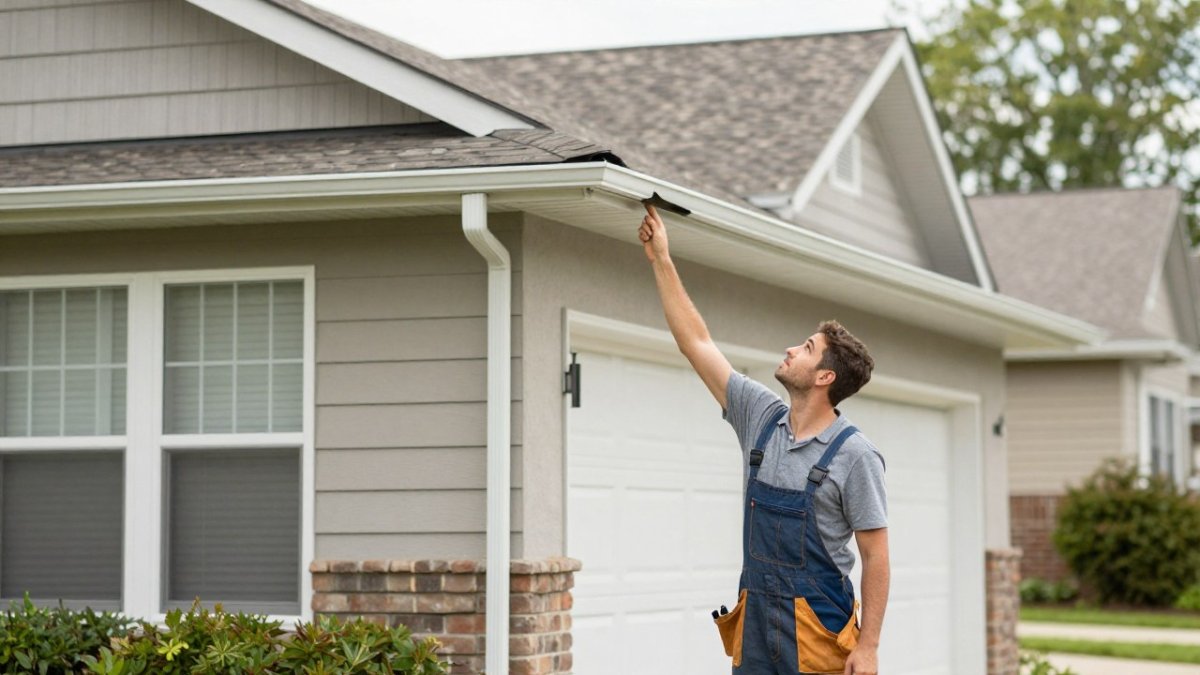
Look for these warning signs:
- Gutter sections that dip between hangers
- Gaps between the gutter and the fascia board
- Hangers that have pulled out or bent
- Screws or nails that have backed out of the fascia
A loose gutter is not always a simple tightening job. If the fascia wood has softened, a new fastener will not hold, so check the wood with a screwdriver tip to see whether you are dealing with one of the signs your Plano gutters need immediate replacement.
Cracks, Holes, Rust, and Corrosion on Gutter Sections
Metal gutters can crack, rust through, or develop small holes over time. Aluminum resists rust well but can crack at seams and at points of impact. Galvanized steel is more likely to show rust, especially where the protective coating has worn thin.
Many homeowners try to patch a single hole and move on. That approach often fails once corrosion has spread along the seams. If you see rust in several spots or along the seams, a patch is usually a short-term fix.
Watch out: sealing a rusted seam with caulk can trap moisture behind the sealant and speed up the rot in the fascia underneath.
Water Damage Signs: Fascia, Soffit, Foundation, and Paint
Gutter failure rarely stays in the gutter. When water spills over the edge, it runs down the fascia, soaks the soffit, and can reach the foundation. Look for these signs:
- Peeling or bubbling paint on fascia boards
- Dark stains or soft spots on soffit panels
- Water pooling or erosion in the soil near the foundation
- Mold or mildew near the eaves
Water that reaches the foundation can lead to cracks and shifting over time. A gutter that overflows during light rain is a red flag that the system is not moving water away from the house.
Gutter Repair or Replacement: How to Decide
The repair-or-replace call is where most homeowners get stuck, and the answer depends less on how bad the damage looks and more on what material you have, how far the failure has spread, and whether the underlying structure is still sound. A practical rule of thumb: repair when the damage is limited to one or two sections and the rest of the system is sound. Replace when problems appear across the run, when the fascia is soft, or when the metal is rusted through in multiple places.
Material changes the math. Seamless aluminum is a common system on homes, and it can fail in predictable ways: seam separation, hanger pull-out, and impact dents from hail that create low spots where water stands. Aluminum resists rust, so a crack or a pulled seam is usually a localized repair. Copper is more durable but develops pinhole leaks and solder-joint failures over decades, and patching copper with dissimilar metal fasteners can accelerate corrosion at the repair point. Vinyl is the most repair-friendly material in the short term but becomes brittle with sun exposure, so cracks tend to multiply once the material starts to fail, which pushes the decision toward replacement. Galvanized steel rusts from the inside out, and once rust is visible on the face, the coating is already compromised along the seams.
Repair usually makes sense when:
- A single section has a crack, dent, or pulled seam
- A few hangers need replacing and the fascia wood is solid
- The metal is intact and the pitch is correct
- The failure is isolated to one elevation of the house
Replacement is usually the better choice when:
- Sagging or pulling away affects most of the house
- Rust or corrosion is widespread or visible along multiple seams
- The fascia or soffit has water damage or soft wood
- The gutters are an outdated size that cannot handle current rainfall
- The system is vinyl and showing brittleness or multiple cracks
A cost-benefit lens helps settle close calls. Track what you spend on repairs over two to three seasons. Once cumulative repair spending approaches a meaningful share of a full replacement quote, replacement often becomes the better value, because each repair is a patch on a system that is already past its service life. Ask for a written replacement quote alongside the repair estimate so you can compare the two on the same footing rather than guessing.
Watch out: patching a seam on a system with soft fascia wood only hides the problem. The new fastener will not hold, and the next heavy rain will pull the section loose again.
The article lays out when a repair will hold and when replacement is the better call, so here is a quick comparison by condition.
| Condition | Usually | Why |
|---|---|---|
| One or two sections damaged | Repair | Damage is isolated and the rest of the system is sound |
| Sagging across most of the run | Replace | Failure has spread along the whole system |
| Rust in multiple spots or seams | Replace | Corrosion has spread and patches are short-term |
| Soft fascia or soffit wood | Replace | New fasteners will not hold in water-damaged wood |
| Vinyl with brittleness or multiple cracks | Replace | Cracks multiply as the material fails |
| Outdated size for current rainfall | Replace | The system cannot handle current rainfall volume |
| Cumulative repair costs near a replacement quote | Replace | Each repair patches a system past its service life |
How Long Do Gutters Last and What Replacement Costs
Gutter lifespan depends on material, installation quality, and maintenance, and the range between materials is wide enough to change your replacement timeline. Seamless aluminum typically lasts 20 to 30 years when kept clean and properly fastened. Copper can last 50 years or more but costs substantially more up front. Vinyl is the shortest-lived option, often 10 to 20 years, and becomes brittle with prolonged sun exposure. Older galvanized steel systems tend to rust through from the inside, so their service life is often shorter than the original installation suggested.
Maintenance moves those numbers. A system that is cleaned twice a year and checked after major storms reaches the upper end of its range. A system that holds debris, shingle grit, and standing water wears out fasteners and seams faster and can fail well before its material lifespan. Hail is the wild card in this climate: impact dents create low spots that hold water, and repeated hail events shorten the effective life of any metal system regardless of material.
Replacement cost is driven by a handful of variables, and pricing is typically quoted per project rather than as a single per-foot figure:
- Linear footage of gutter run
- Material (aluminum, copper, vinyl, steel)
- Number of stories and roof pitch, which affect labor and safety
- Removal and disposal of the old system
- Downspout count and any underground drainage additions
- Fascia or soffit repair if water damage is found during removal
Because those variables swing widely from home to home, the most accurate figure comes from a written quote based on your home’s actual measurements. Ask for the quote to itemize removal, material, downspouts, and any fascia work so you can compare bids on the same scope rather than on a single lump sum.
For current pricing on seamless gutter installation, request a quote directly, since prices vary by project.
Gutter Replacement Cost and Homeowners Insurance Coverage
Homeowners insurance may cover gutter damage caused by a covered event such as hail or windstorm. Coverage depends on your policy, the cause of the damage, and whether the loss is sudden or the result of long-term wear. Routine wear and tear is usually excluded.
Document the damage with dated photos before any repairs begin. If your adjuster’s estimate seems low, a contractor familiar with insurance claims can review the scope and point out items that may have been missed.
Booking a Professional Inspection Before Damage Spreads
If you see two or more of the signs above, schedule an inspection before the damage moves into the fascia, soffit, or foundation. A professional can check pitch, fasteners, seams, and hidden water damage that is hard to spot from the ground.
Our family-owned team is fully insured and has more than 20 years of combined experience.
For a DIY pre-check, walk the perimeter after rain and note any sagging, staining, or overflow. Photograph everything, and share the photos when you call.
Frequently Asked Questions
How do I know if my gutters need to be replaced?
Replacement is usually the right call when gutters sag in several places, pull away from the fascia, show cracks or rust-through holes, or keep overflowing even after cleaning. Repairs work for a single loose hanger or a small seam leak. When damage repeats across the run, or the metal is thin and flaking, patching only delays the cost. A professional inspection can confirm whether the fascia and soffit underneath have been affected, which often tips the decision toward full replacement.
Will homeowners insurance cover gutter replacement?
Homeowners insurance may cover gutter replacement when the damage is sudden and accidental, such as wind, hail or a fallen tree limb. Gradual wear, rust, poor installation and lack of maintenance are typically excluded. Document the damage with dated photos, file a claim promptly, and review your policy’s deductible and any roof or exterior endorsements. A public adjuster or a contractor experienced with claims can help you challenge a low estimate.
How long do gutters usually last?
Aluminum seamless gutters commonly last 20 to 30 years, while vinyl and galvanized steel often last less, depending on exposure and maintenance. Gutters in Plano face intense summer heat, hail and heavy storms, which can shorten their service life. Clearing debris twice a year, checking hangers annually and inspecting seams after storms helps the system reach its expected lifespan.
What does gutter replacement cost in the United States?
Pricing depends on linear footage, gutter material, the number of downspouts, the height of the roofline, and whether fascia boards need repair. StormPros does not publish a standard price list, so the most accurate figure comes from an on-site measurement and written quote. Request a quote for your home.


