 5.0 Out Of 250+ Reviews

 Financing Available

 (214) 227-2763
Table of Contents
- Why Insurance Estimates Are Often Lower Than Repair Costs
- Step 1: Document All Damage Before the Adjuster Arrives
- Step 2: Get a Contractor Estimate Higher Than Insurance Estimate
- Step 3: How to Dispute a Home Insurance Claim Estimate
- Step 4: How to Respond to a Low Insurance Settlement Offer
- Step 5: Understanding the Insurance Claim Supplement Process
- When to Pursue Formal Dispute Resolution or Professional Help
- Common Mistakes to Avoid When Challenging Estimates
- Frequently Asked Questions
Last Updated: October 5, 2026
Why Insurance Estimates Are Often Lower Than Repair Costs
When you file an insurance claim after storm damage, the estimate the adjuster provides may feel shockingly low. This happens more often than you’d think. The gap between what insurance companies estimate and what contractors actually charge creates real frustration for homeowners.
Several factors explain why low insurance claim estimates happen. Insurance adjusters work from standardized pricing databases that don’t always reflect current market rates in your area. Labor costs, material prices, and regional variations shift constantly.
Adjusters also follow strict guidelines about what damage they’ll cover. They may miss secondary damage that only shows up during detailed inspection. A contractor who spends two hours examining your roof will likely find issues an adjuster spots in 20 minutes.
Insurance companies also apply depreciation to older materials and systems. Your 10-year-old roof won’t be replaced with a brand-new roof at full cost. The insurer calculates the remaining useful life and pays accordingly.
The gap between initial estimates and final repair costs doesn’t have to leave you stuck. You have concrete steps you can take to challenge a low estimate and get fair coverage.
Step 1: Document All Damage Before the Adjuster Arrives
Start gathering evidence immediately after damage occurs. Don’t wait for the adjuster’s inspection. Your photos and records become your strongest tool when disputing a low insurance claim estimate later.
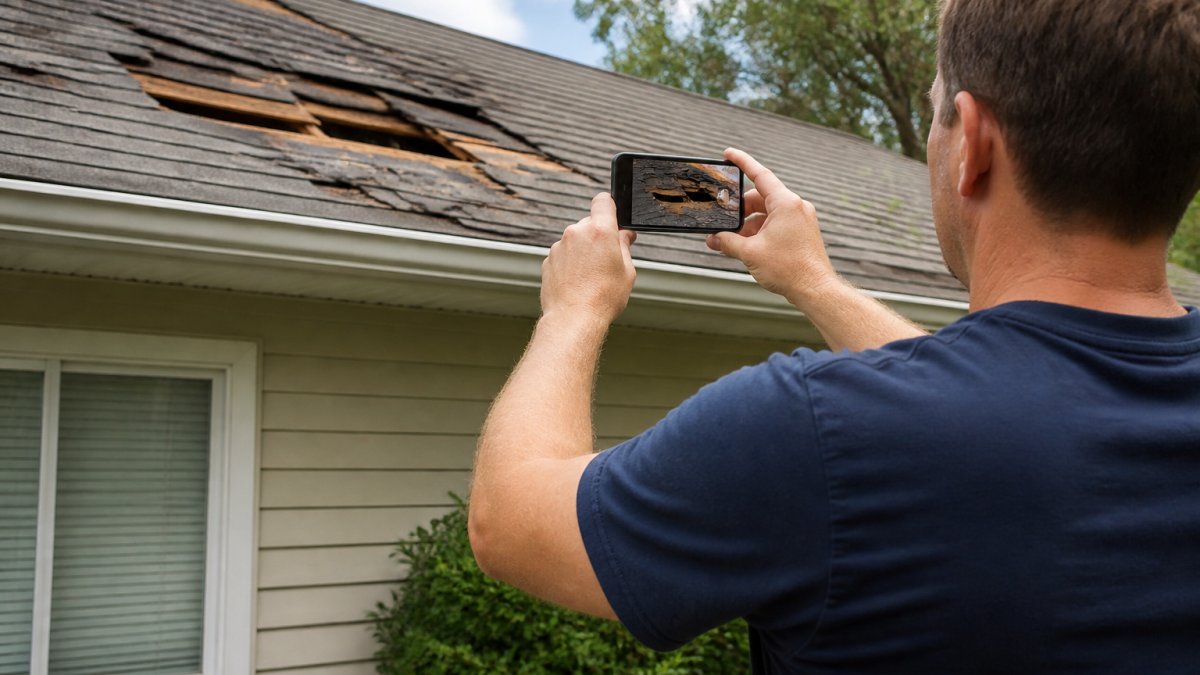
What to photograph and record:
Take photos from multiple angles and distances. Capture wide shots showing the overall damage pattern, then zoom in on specific problem areas.
Document everything in writing too. Note the date and time of damage, weather conditions during the storm, and the specific areas affected.
Keep receipts and documentation for any emergency repairs you make. If you need a temporary tarp on your roof to prevent further water damage, photograph that work and save invoices.
Organizing your evidence file:
Create a folder (physical or digital) with all your documentation organized by room or damage type. Label each photo with the date and location.
This organized approach makes it easier to reference specific damage when you dispute the estimate. You’ll have proof ready when you need it.
Step 2: Get a Contractor Estimate Higher Than Insurance Estimate
The next critical step is obtaining an independent assessment from a qualified contractor. This estimate becomes your use when challenging the insurance company’s numbers.
Choosing a qualified contractor for assessment:
Don’t pick the first contractor you find. Interview at least two or three professionals who specialize in the type of damage you have.
Verify licensing and insurance. Ask for references from recent jobs. A contractor familiar with insurance claim disputes will understand what details matter in the estimate and what language insurers respond to.
Tell the contractor upfront that you’ll be using their estimate to dispute your insurance company’s offer. Good contractors expect this and will provide detailed, itemized estimates specifically designed for claim disputes.
What a detailed scope of repairs should include:
The contractor’s estimate must break down every repair into specific line items.
The estimate should identify damage the insurance adjuster missed. Contractors often spot issues hidden during a quick adjuster inspection.
Ask the contractor to note any code upgrades required. If local building codes now require better insulation or updated flashing standards, those upgrades cost money. Insurance may need to cover them as part of proper repairs.
Step 3: How to Dispute a Home Insurance Claim Estimate
With your documentation and contractor estimate in hand, you’re ready to formally challenge the insurance company’s numbers. This process requires clear communication and organized evidence.
Reviewing the adjuster’s estimate line by line:
Get a copy of the adjuster’s detailed estimate if you don’t already have one. Compare it directly to your contractor’s estimate.
Highlight areas where the adjuster underestimated.
Check whether the adjuster included all the damage you photographed. Cross-reference your photos against each line item in the estimate. If you have damage the adjuster didn’t list, note it specifically.
Identifying omitted damage and undervalued repairs:
Many initial estimates miss secondary damage that becomes apparent during detailed inspection. Water seepage into walls, mold growth, or structural damage often isn’t visible until work begins.
Create a written list of damage the adjuster missed. For each item, reference your photos and the contractor’s assessment. Be specific about location, type of damage, and estimated cost to repair.
Also flag items where the adjuster’s pricing seems below market rate. If the adjuster listed labor at $40 per hour but your area’s standard is $75 per hour, that’s a legitimate discrepancy worth challenging.
Step 4: How to Respond to a Low Insurance Settlement Offer
Once you’ve identified gaps in the insurance estimate, it’s time to formally respond. Your written communication becomes part of your claim file.
Preparing your written response with evidence:
Write a clear, professional letter to your insurance adjuster. State your claim number and date of loss at the top.
Attach your contractor’s estimate, your photos, and a side-by-side comparison of the two estimates. For each discrepancy, explain why the insurance estimate is too low.
Keep copies of everything you send. Send documents via email if possible so you have a timestamp and delivery confirmation.
Communicating effectively with your insurance adjuster:
Stay professional and factual in all communication. Adjusters handle dozens of claims and respond better to organized, unemotional presentations of facts. Avoid accusations or angry language, even if you’re frustrated.
Ask specific questions about how they calculated certain costs. Request explanations for any pricing that seems significantly below market rates. Sometimes adjusters simply made an error or used outdated pricing.
Propose a meeting or phone call to discuss your contractor’s findings. Face-to-face or voice conversation often moves things faster than written back-and-forth. Adjusters may be more flexible when discussing claims directly.
| Dispute Step | Timeline | Action |
|---|---|---|
| Document damage | Immediately after loss | Photograph, write notes, organize evidence |
| Get contractor estimate | Within 1 week | Interview contractors, obtain detailed estimate |
| Review insurance estimate | Within 2 weeks | Compare line-by-line, identify gaps |
| Submit written response | Within 3 weeks | Send letter with evidence and contractor estimate |
| Follow up communication | Within 4-6 weeks | Call adjuster, request meeting if needed |
Step 5: Understanding the Insurance Claim Supplement Process
If your initial dispute reveals significant omitted damage, you can request a supplement.
When and how to request a supplement:
Supplements typically happen when damage becomes visible during repair work. Contractors removing old roofing might discover rotted wood underneath. Opening walls to repair water damage might reveal mold growth.
Submit a supplement request in writing with supporting documentation. Include the contractor’s assessment of the additional damage, photos showing the new findings, and an estimate for the repair cost.
Some policies allow multiple supplements. If contractors discover additional damage in phases, you can request supplements as each new issue emerges. This process protects you from being stuck with unexpected repair costs.
What happens after you submit additional documentation:
The insurance company will assign an adjuster to review your supplement request. They may schedule an inspection to verify the additional damage.
The adjuster will either approve the supplement, deny it, or offer a partial amount. If approved, the insurance company increases your claim payment.
Supplements can take 2-4 weeks to process. Keep your contractor informed about the timeline so they can plan the work accordingly.
When to Pursue Formal Dispute Resolution or Professional Help
If direct communication with your insurance adjuster doesn’t resolve the dispute, you have formal options available. These escalation paths can help when the gap between estimates remains substantial.
Understanding appraisal clauses in your policy:
Most homeowners insurance policies include an appraisal clause.
In appraisal, each side selects an independent appraiser. Those two appraisers review the damage and estimates, then select a third appraiser if they disagree.
Appraisal typically costs $300-$500 per side, though your policy may specify who pays. The process takes 4-8 weeks.
Review your policy document to understand your appraisal rights. Some policies have specific procedures or timelines for requesting appraisal.
When to hire a public adjuster or attorney:
Public adjusters represent policyholders in claim disputes. They typically charge 5-10% of the increased claim amount they recover.
Insurance attorneys handle claims disputes and can represent you in appraisal or litigation. They typically work on contingency, meaning they take a percentage of what they recover rather than charging hourly fees.
Before hiring either professional, get clear information about their fees and how they’re calculated. Ask for references and verify their experience with claims similar to yours.
Common Mistakes to Avoid When Challenging Estimates
Learning from others’ experiences helps you avoid costly errors in your own dispute process.
Don’t accept the first estimate without question. Many homeowners assume the adjuster’s estimate is final. It’s not. You have every right to challenge it with documentation and a contractor’s assessment.
Don’t delay gathering evidence. The sooner you photograph damage and document the loss, the stronger your case.
Don’t hire just any contractor. Choose someone experienced with insurance claims who understands the documentation adjusters need.
Don’t communicate only by phone. Always follow up verbal conversations with written confirmation. Email creates a paper trail that protects you and keeps everyone accountable.
Don’t give up after one rejection. Disputes often require multiple rounds of communication. Persistence usually pays off, especially when you have solid evidence backing your position.
Don’t ignore your policy language. Review your actual insurance policy to understand coverage limits, deductibles, and any specific claim procedures. Policy details matter when disputing estimates.
Dealing with low insurance claim estimates feels overwhelming, but you don’t have to accept an unfair offer. Document your damage thoroughly, get an independent contractor assessment, and communicate clearly with your insurance company.
StormPros has guided homeowners through this exact process for over 20 years. When you’re facing a significant gap between insurance estimates and actual repair costs, having experienced professionals in your corner makes a real difference. Learn more about insurance claim support from the National Association of Insurance Commissioners or reach out to StormPros for a free consultation on your specific situation.
Frequently Asked Questions
What’s the biggest mistake people make when dealing with low insurance claim estimates?
Accepting the first estimate without question. Many homeowners don’t realize they can challenge estimates or request supplements. Failing to document damage thoroughly, not getting an independent contractor estimate, and not reviewing the adjuster’s line-item calculations are equally costly. The insurance company’s initial estimate often reflects depreciation, material discounts, or omitted damage that contractors discover later. Taking time to gather evidence and dispute errors upfront typically results in significantly higher settlements.
How do I respond to a low insurance settlement offer?
Respond in writing with specific evidence. Reference the adjuster’s estimate line by line, highlight discrepancies with your contractor’s estimate, and attach photos, repair quotes, and documentation of omitted damage. Stay professional and factual; avoid emotional language. Request a meeting or phone call to discuss your findings. If the insurance company remains unresponsive, ask about the appraisal process outlined in your policy, which allows both parties to hire neutral appraisers to resolve disputes.
Why is my contractor’s estimate higher than the insurance company’s estimate?
Contractors typically account for all labor, materials, and unforeseen damage that adjusters may overlook. Insurance estimates sometimes apply depreciation, use lower-cost materials, or miss secondary damage like water intrusion or structural issues. Adjusters work quickly and may not spend hours examining every detail. Contractors have incentive to provide accurate, comprehensive quotes to avoid cost overruns. Get multiple contractor estimates to establish fair pricing, then use these quotes as evidence when disputing the insurance estimate.
What documents should I send when challenging an insurance estimate?
Submit a detailed written dispute that includes: high-quality photos of all damage (dated and timestamped), an itemized contractor estimate with labor and material breakdowns, your policy details showing coverage limits and deductibles, proof of any additional damage discovered after the initial inspection, and a line-by-line comparison of the adjuster’s estimate versus your contractor’s estimate. Include a cover letter explaining specific discrepancies. Keep copies of everything and send via certified mail or email with read receipts to create a paper trail.


